Case Study: Aparti
Client: Aparti
Industry: Legal tech — case management platform
Engagement: Ongoing
The Challenge
Aparti builds case management software for law firms and legal teams. Their platform is powerful, but their digital presence was built for lawyers — not for the AI systems that increasingly mediate how prospects discover legal tech solutions.
Specifically, the problems were:
- Dense, jargon-heavy content that AI engines couldn't parse or cite
- No structured claims — pages described features without framing them as answerable questions
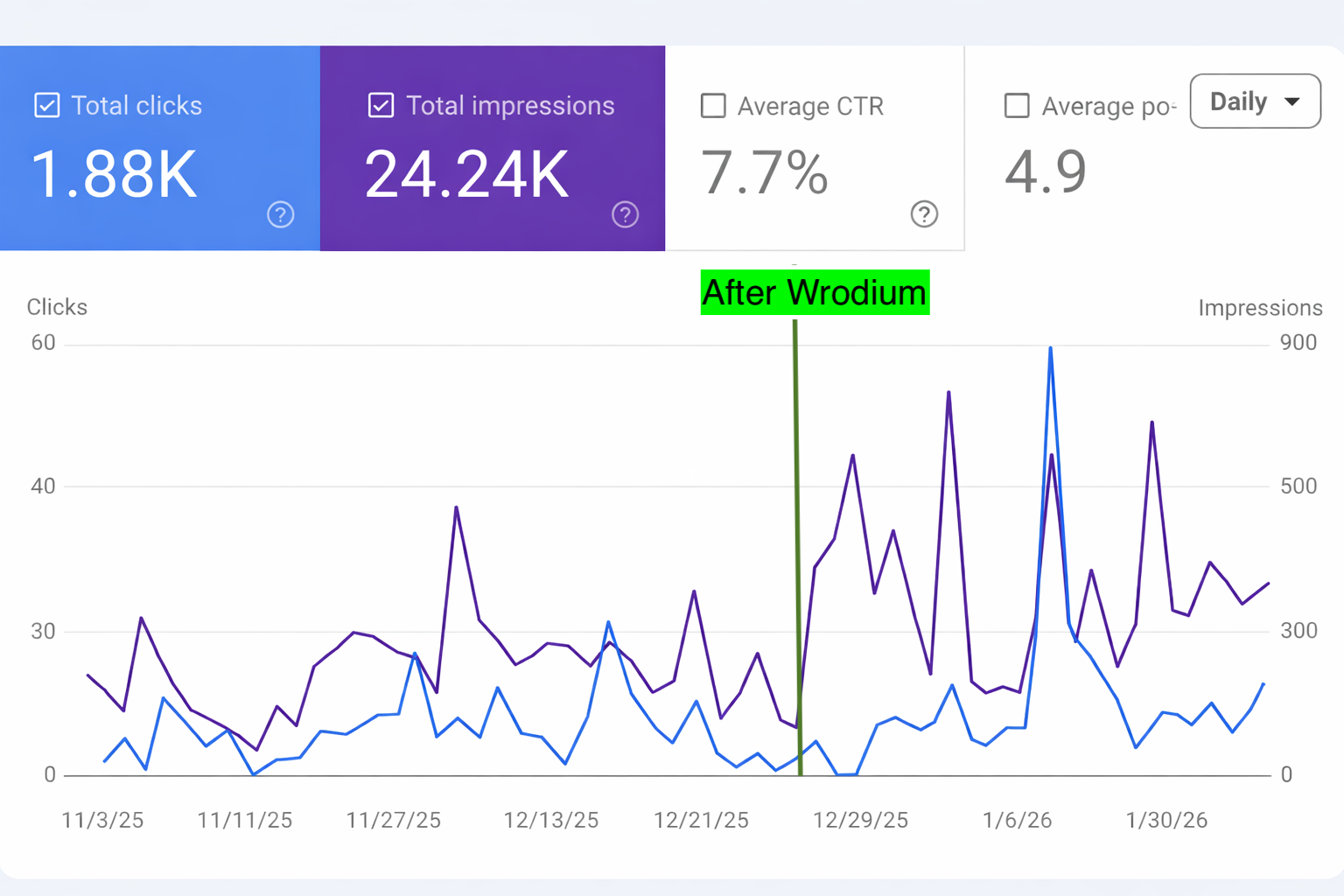
- Zero AI visibility — when users asked ChatGPT or Perplexity about legal case management tools, Aparti was never mentioned
- Poor entity clarity — AI engines couldn't distinguish Aparti from generic legal software mentions
- Technical documentation that buried product value under implementation details
Despite having a competitive product, Aparti was invisible in AI-driven discovery — the fastest-growing channel for B2B software evaluation.
The Approach
Phase 1: Content Readability Audit
Wrodium conducted a full readability and AI-parsability audit of Aparti's website. We analyzed every page through the lens of AI extraction: Could a language model understand, quote, and cite this content?
The findings revealed that most pages scored poorly on AI readability metrics. Content was written for lawyers who already understood the domain, not for AI systems that need explicit definitions and structured evidence to generate citations.
Phase 2: Content Restructuring for AI Readability
We restructured Aparti's core pages using Wrodium's GEO framework:
- Explicit definitions: Every page now leads with a clear "What is [X]?" framing that AI systems can directly extract
- Scoped claims: Instead of broad feature lists, each claim is specific, measurable, and attributed
- Entity disambiguation: Clear schema markup and content signals that distinguish Aparti as a named entity, not a generic term
- Question-answer architecture: Content structured around the actual questions prospects ask AI engines
- Evidence formatting: Case outcomes, client metrics, and third-party validations formatted for AI citation
Phase 3: AI Visibility Monitoring
With restructured content live, Wrodium's monitoring engine tracks Aparti's presence across ChatGPT, Perplexity, Claude, and Gemini — identifying when and how the brand is cited, and which claims are performing.
What Changed
The transformation was fundamental. Aparti's content went from being invisible to AI engines to being structured for citation. Key changes included:
- Homepage rewrite: From a feature-heavy marketing page to a clear value proposition with extractable claims about what Aparti does, who it's for, and why it's credible
- Product pages: Each feature page restructured with "What it is," "How it works," and "Who it's for" sections that map directly to AI query patterns
- Use case pages: New content created around specific legal workflows (e.g., "case intake automation," "matter management for mid-size firms") targeting long-tail AI queries
- Schema and metadata: Complete structured data implementation for Organization, SoftwareApplication, and FAQ schemas
Key insight: Legal tech content is uniquely challenging for AI readability because the domain is inherently jargon-heavy. The solution isn't to simplify — it's to structure. AI engines can handle complex concepts as long as claims are explicit, evidence is formatted, and entities are disambiguated.
Key Takeaways
Technical content doesn't have to be AI-invisible
Complex B2B products can be optimized for AI citation without dumbing down the content. The key is structural clarity, not simplification.
Entity clarity is the foundation of AI visibility
If AI systems can't identify your brand as a distinct entity, they can't cite you. Schema markup, consistent naming, and explicit identity signals are non-negotiable.
Question-answer architecture maps directly to AI queries
Restructuring content around the questions your prospects actually ask AI engines ensures your pages are the answers those systems return.
AI readability is different from human readability
Content can be perfectly readable for humans and completely opaque to AI. The two require different structural approaches — and optimizing for AI rarely hurts human readability.
Summary
Aparti had a strong legal tech product but content that was invisible to AI search engines. Dense legal jargon, unstructured claims, and poor entity clarity meant that AI systems couldn't parse, understand, or cite any of their pages.
Wrodium conducted a full AI readability audit and restructured every page using the GEO framework — implementing explicit definitions, scoped claims, entity disambiguation, question-answer architecture, and evidence formatting.
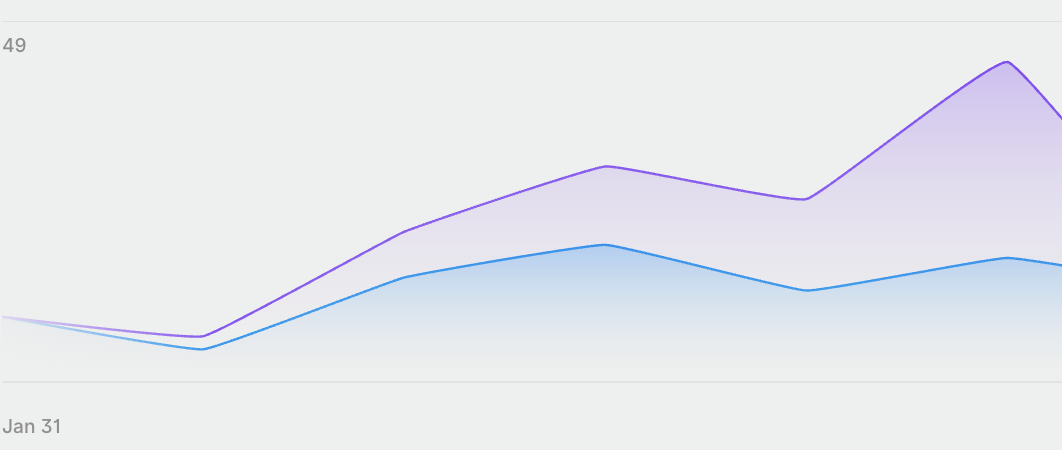
The result: Aparti went from an AI readability score of 12 to 84, with every page restructured for citation-readiness and the brand achieving its first AI citations across ChatGPT and Perplexity.